If you are wondering does eSIM work in Pakistan, the short answer is yes. In Pakistan, eSIM availability depends on both the carrier and the phone model, and whether you are using eSIM as a traveler or as someone living in the country.
That is why this topic can be confusing. Some people are asking whether Pakistan supports eSIM at all. Others want to know whether a travel eSIM will actually connect once they arrive. And many simply want to understand how does eSIM work in Pakistan on an iPhone or Android device without buying a physical SIM card.
In practice, eSIM can be a convenient option for staying connected in Pakistan, especially if you want mobile data ready before arrival or prefer not to swap SIM cards. But coverage quality, phone compatibility, and setup steps still matter. In this guide, we will explain how eSIM works in Pakistan, where it performs best, how to activate it, when it is better than a local SIM, and what to check before you buy.
Does eSIM work in Pakistan?
Yes, eSIM does work in Pakistan. If your phone supports eSIM and your chosen plan connects through supported mobile networks, you can use eSIM for data and, in some cases, other mobile services while in Pakistan.
For most users, the real question is not just whether it works, but how well it works and whether it is the right option for their needs. The answer usually depends on three things:
- whether your phone is eSIM compatible
- whether your device is unlocked
- whether your eSIM plan has reliable network access in Pakistan
For travelers, eSIM can be especially useful because it lets you prepare your mobile data before landing. You do not have to visit a kiosk, remove your existing SIM, or wait until you find a local seller. Instead, you can install the eSIM profile in advance and activate it when you are ready.
For local use, eSIM can also be practical if your device and carrier setup support it properly. The main point is that eSIM is not a separate type of network. It is a different way to deliver the SIM function digitally rather than through a physical plastic card.
The short answer for travelers and residents
If you are visiting Pakistan, eSIM can work well for mobile data as long as your plan uses supported local network infrastructure. If you live in Pakistan, the answer depends more on local carrier support, device compatibility, and how you want to use your number and data setup.
Where eSIM works in Pakistan in practical terms
In real-world use, eSIM tends to work best where standard mobile coverage is already strong. If a local network performs well in a certain city or region, an eSIM that uses that network will usually perform in a similar way.
How does eSIM work in Pakistan for mobile data and connectivity
When people ask how does eSIM work in Pakistan, the best way to explain it is this: your phone downloads a digital SIM profile instead of relying on a plastic SIM card. That digital profile then connects your device to the relevant network, allowing mobile data and related services based on the plan you purchased.
Pakistan eSIM coverage and network availability
Even though the answer to does eSIM work in Pakistan is yes, coverage is still one of the most important things to understand before buying a plan.
eSIM performance is tied to the mobile network your plan uses. That means coverage quality will vary depending on location. A strong plan on paper can still feel disappointing if the network behind it is weaker in the places where you actually need service.
Coverage in major cities vs smaller areas
In major cities and busy population centers, eSIM-based connectivity is usually more reliable because mobile network coverage is generally stronger there. If your trip or daily use is centered around urban areas, your experience is more likely to be smooth.
In smaller towns, remote regions, and less densely covered areas, performance can be less predictable. That does not mean eSIM stops working. It means your experience depends more heavily on the local network conditions in that specific location.
How local networks affect eSIM performance
An eSIM does not create its own separate coverage map. It relies on partner networks or direct carrier support. So when evaluating whether eSIM works well in Pakistan, you should think in terms of:
- network reach
- speed consistency
- signal reliability
- congestion in busy areas
- rural coverage limitations
This is why some users feel that eSIM works perfectly while others feel it is only average. They may be using different network backbones or using them in very different places.
What users should expect from signal strength and speed
Users should expect eSIM performance in Pakistan to reflect the quality of the underlying network rather than the digital format itself. If the local network is strong, eSIM can feel just as smooth as a regular SIM for browsing, maps, messaging, and everyday travel use.
How to set up and activate eSIM in Pakistan
One of the biggest benefits of eSIM is convenience. But to get that convenience, the setup process has to be done correctly.
If you are asking how does eSIM work in Pakistan from a setup perspective, the answer is simple: you install a digital SIM profile on your phone, activate it, and then connect to supported mobile service.
What you need before activating an eSIM
Before setting up an eSIM in Pakistan, check these basics:
- your phone supports eSIM
- your phone is unlocked, if required
- your software is updated
- you have a stable internet connection for installation
- you have the activation details, QR code, or app access for the eSIM plan
Skipping these checks is one of the easiest ways to create setup problems that have nothing to do with Pakistan itself.
How to install an eSIM profile on a compatible phone
The exact method depends on the provider and your device, but it usually follows one of these paths:
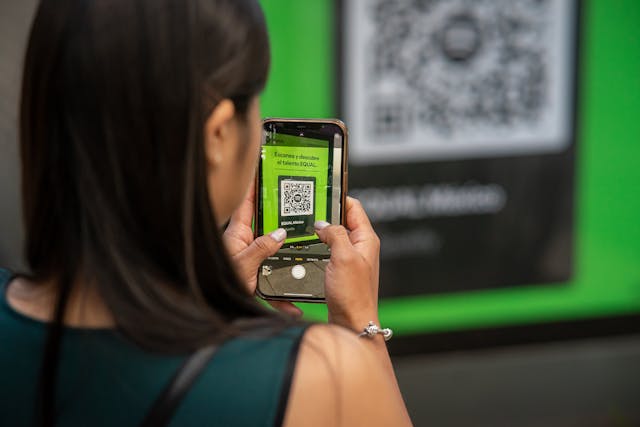
- scanning a QR code
- using a provider app
- entering setup details manually
- using an in-device transfer flow if supported
Once the eSIM profile is installed, you may need to confirm line settings, set the correct data line, or restart the device. Some eSIMs activate immediately, while others become active only when you reach the supported region or connect to the network.
Common setup issues and how to avoid them
Most setup problems come from one of the following:
- incompatible device
- carrier-locked phone
- incomplete profile installation
- expired or already-used activation code
- incorrect line settings after installation
To avoid these issues, always verify compatibility before purchase and follow the activation steps in order. If the profile installs but data does not work, check whether the correct line is enabled and whether roaming or APN settings need attention.
eSIM vs local SIM in Pakistan
A lot of people are not just asking does eSIM work in Pakistan. They are really deciding between eSIM and a traditional local SIM card.
That is a good question, because both options can be useful depending on your situation.
When eSIM is the more convenient choice
eSIM is often the better choice when you want:
- data ready before arrival
- no physical SIM swap
- quick setup from your phone
- easier dual-line use
- a simple way to keep your home SIM active
- For travelers, that convenience is a major advantage. You can land with connectivity already prepared, which helps with maps, ride apps, messaging, and hotel coordination.
When a local SIM card may make more sense
A local SIM may still be better if you:
- want a local number immediately
- prefer face-to-face setup
- are more comfortable with physical cards
- need a very specific local package
- have a phone that does not support eSIM
For some users, especially those staying longer or dealing with device limitations, the old-fashioned local SIM route may feel easier to manage.
Cost, flexibility, and ease of use compared
eSIM is usually strongest on convenience and flexibility. Local SIMs can sometimes feel more familiar and easier to compare in person. The best option depends on whether your priority is speed and simplicity or local purchasing control.
Carrier support is available from providers such as Jazz and Zong, but device and regional restrictions still apply. (ZONG)
Best way to choose an eSIM for Pakistan
If you have already confirmed that eSIM works in Pakistan for your device, the next step is choosing the right plan.
Not every eSIM plan is automatically a good fit. The best choice depends on your trip length, expected data usage, and where in Pakistan you plan to spend time.
How much data most travelers need in Pakistan
Your data needs depend on how you use your phone. As a rough guide:
- light users mainly need messaging, maps, and basic browsing
- moderate users add social media, email, and some video calls
- heavier users rely on streaming, hotspot use, or long navigation sessions
If you will mostly use hotel Wi-Fi and only need data while moving around, you may need much less than you think. If you plan to work remotely or stream regularly, you will need a larger data allowance.
What to compare before buying a Pakistan eSIM
Before choosing a plan, compare:
- total data amount
- validity period
- supported network quality
- activation timing
- refill options
- hotspot allowance if needed
- whether the plan is data-only or includes more features
This helps you avoid buying based on price alone.
Red flags to avoid when choosing a plan
Be careful with plans that are unclear about:
- network partners
- validity start date
- data limits
- speed restrictions
- activation conditions
- top-up availability
A cheaper plan is not always the better deal if it creates confusion or weak connectivity when you need it most.
Devices that support eSIM in Pakistan
Another common misunderstanding is that country support and phone support are the same thing. They are not.
Even if the answer to does eSIM work in Pakistan is yes, your specific phone still needs to support eSIM.
How to check if your phone supports eSIM
The easiest way is to check your phone settings, model documentation, or official device specifications. In many phones, eSIM support appears under mobile network or SIM management settings.
You can also confirm:
- whether your exact model supports eSIM
- whether support differs by region
- whether your carrier lock status affects activation
Why unlocked phones matter for eSIM use
A compatible phone may still fail with eSIM if it is locked to a specific carrier. That is why unlocked status matters. A locked phone may block activation even though the device technically supports eSIM.
What to do if your phone does not support eSIM
If your device does not support eSIM, you still have options. You may need to use a physical SIM instead, or choose a setup path that fits your device better. The important thing is not to buy an eSIM first and check compatibility later.
When converting eSIM to a physical SIM may be the better option
eSIM is convenient, but it is not always the best match for every user.
Some people discover that their device, carrier condition, or travel habits make physical SIM use more practical. That does not mean eSIM is bad. It just means the right format depends on the real-world situation.
Situations where eSIM may not be the ideal fit
eSIM may be less ideal if:
- your phone has limited eSIM support
- your device is carrier locked
- you want simpler switching between devices
- you are dealing with repeated activation issues
- you prefer a more familiar setup style
- Why some users still prefer a physical SIM backup
A physical SIM can feel easier to manage because it is tangible, simple to swap, and widely understood. Some users like having that backup even when they also use eSIM.
How to decide which SIM format suits your use case
Choose eSIM if your priority is convenience, digital setup, and avoiding physical SIM changes. Choose a physical SIM route if your priority is broad compatibility, straightforward troubleshooting, or easier handling across devices.
For many readers, the smartest question is not only does eSIM work in Pakistan, but also whether eSIM is the best fit for the way they plan to stay connected.
Conclusion
So, does eSIM work in Pakistan? Yes, it does. If your phone supports eSIM, your device is properly set up, and your chosen plan uses reliable network access, eSIM can be a practical and convenient way to stay connected in Pakistan.
The bigger question is how well it fits your needs. For some users, eSIM is the easiest option because it allows quick setup, no physical SIM swapping, and instant mobile data access. For others, a local SIM card may still feel more familiar or more suitable depending on the device and travel style.
If you have been asking how does eSIM work in Pakistan, the key takeaway is that it works through a digital SIM profile connected to supported networks, not through a separate technology. Once you understand coverage, compatibility, setup, and plan choice, deciding between eSIM and a local SIM becomes much easier.
FAQ
Does eSIM work in Pakistan for tourists?
Yes, eSIM can work well in Pakistan for tourists, especially if the phone is eSIM compatible and the selected plan uses reliable supported networks. It is often a convenient option for travelers who want mobile data ready before arrival.
How does eSIM work in Pakistan on an iPhone or Android phone?
It works by installing a digital SIM profile on a compatible phone. Once activated, that profile connects the phone to supported mobile service without requiring a physical SIM card.
Is eSIM better than buying a local SIM in Pakistan?
It depends on your priorities. eSIM is usually more convenient and easier to set up before travel, while a local SIM may feel more familiar and may suit users who want in-person purchase and setup.
Can all phones use eSIM in Pakistan?
No. Only phones that support eSIM, and in many cases are also unlocked, can use eSIM successfully. Country availability does not automatically mean every phone can use it.